
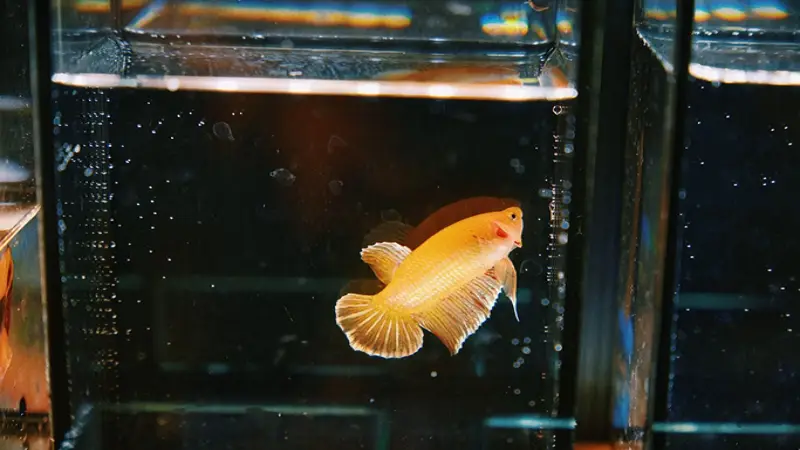
Keeping a group of female bettas in one aquarium is often called a betta sorority. The idea can be appealing because these fish have colorful fins and distinct personalities. However, keeping several bettas together comes with more challenges than many first-time fish keepers expect.
Female Siamese fighting fish are generally less aggressive than males toward one another, but they can still be territorial. Some females tolerate other bettas, while others repeatedly chase, nip, or intimidate their tank mates. A successful setup therefore depends on individual temperament, aquarium conditions, and the keeper’s ability to monitor behavior closely.
For anyone considering a female betta sorority for beginners, preparation is important. A suitable aquarium, stable water conditions, plenty of cover, and a backup plan for separation should all be part of the setup.
What Is a Betta Sorority?
A betta sorority is a shared aquarium containing several female Betta splendens. Unlike a typical community aquarium, the arrangement is specifically designed around keeping multiple female bettas together rather than housing a single betta with other compatible fish.
Female bettas often have shorter fins and different color patterns compared with males, although their appearance can vary considerably between individuals. Their behavior varies as well. Some females remain relatively calm around other bettas, while others can become highly territorial.
The term “sorority” can sometimes create the impression that a group of female bettas will naturally live peacefully together. It is more accurate to view a sorority as a managed arrangement where conflict remains possible. Even a group that appears settled during the first few days needs regular observation.
Are Female Bettas Suitable for Group Housing?
Female bettas are not automatically peaceful simply because they are female. Territorial behavior is still possible, and individual temperament can have a major influence on whether fish tolerate one another.
Some aquarists successfully keep several females together for extended periods. Others find that aggression develops quickly or appears after weeks or months. A fish that behaves calmly in a store or temporary container may behave differently after settling into a home aquarium.
Individual housing is generally more predictable. A single female betta has its own territory and does not need to compete with other bettas for space or food. For keepers who want to avoid the uncertainty involved in group housing, separate aquariums provide a simpler option.
Anyone choosing a sorority should be prepared for the possibility that the fish will need to be separated. The goal should never be to force incompatible fish to remain together.
Choosing the Right Aquarium
Tank size plays an important role in a sorority setup. A small aquarium gives fish fewer places to move away from one another, which can make repeated encounters more likely.
Many experienced keepers favor an aquarium of around 20 gallons or larger for a group of female bettas. More space allows room for plants, shelters, and visual barriers. A larger footprint also gives individual fish more opportunities to establish separate areas within the aquarium.
Stocking decisions should take both available space and the aquarium layout into account. Adding more fish does not make a small aquarium safer. A larger group also produces more waste and creates more opportunities for competition.
A fully cycled aquarium is essential before introducing the fish. Ammonia and nitrite should remain at zero in a properly cycled aquarium, while regular water testing can help identify problems before they become visible through changes in fish behavior.
Creating Hiding Places and Visual Barriers
Aquarium decoration serves an important purpose in a betta sorority. Dense plants, driftwood, caves, and other safe structures can break up open swimming areas and reduce direct lines of sight between fish.
Live plants are useful because they create cover while contributing to a natural-looking environment. Artificial plants can also work when they are made from soft materials and do not have sharp or abrasive edges.
The aquarium should offer several areas where a fish can retreat from another fish. Open space is still necessary for swimming, but an aquarium with one large uninterrupted area gives weaker or less assertive fish fewer opportunities to escape attention.
Sharp rocks, rough ornaments, and decorations with exposed edges are best avoided. Betta fins can be easily damaged by abrasive surfaces, particularly when fish are moving quickly around the aquarium.
Selecting Female Bettas
Choosing fish carefully is another important part of setting up a sorority. Healthy females with similar general body condition are preferable to fish showing obvious signs of illness, injury, or severe weakness.
Quarantine is also worth considering before introduction. New fish can carry diseases or parasites without showing obvious symptoms immediately. Keeping newcomers separate for an appropriate observation period can reduce the chance of introducing illness into an established aquarium.
Some keepers prefer introducing the females at the same time after arranging the aquarium so that no individual fish has already claimed the entire tank as its territory. Rearranging plants and decorations before introduction can also change the environment for fish that are already familiar with it.
None of these steps guarantees peaceful behavior. Temperament remains one of the biggest variables in a betta sorority.
Managing Feeding and Competition
Food can become another source of conflict. If several bettas rush toward the same feeding area, more assertive fish might prevent others from getting enough food.
Feeding in more than one area can help spread the fish around the aquarium. Smaller portions offered carefully are preferable to adding a large amount of food at once.
Observe each fish during feeding rather than assuming every individual is eating. A female that hides during meals, is repeatedly chased away from food, or gradually loses body condition needs closer attention.
Overfeeding can also create water quality problems, particularly in a shared aquarium. Uneaten food should not be allowed to accumulate because decomposing food can contribute to rising waste levels.
Watching for Aggressive Behavior
Some chasing and flaring might occur while fish establish social boundaries. Persistent aggression is different. Repeated attacks, fin nipping, or one fish being constantly driven into a corner indicate a more serious problem.
Other warning signs include torn fins, wounds, clamped fins, unusual hiding, loss of appetite, rapid breathing, and noticeable weight loss. A fish spending most of its time hiding from another fish should not simply be dismissed as shy.
Behavior also needs to be considered alongside the aquarium environment. Poor water quality, overcrowding, insufficient cover, and unsuitable temperature can increase stress and make behavioral problems more difficult to manage.
The safest approach is to intervene early when aggression becomes persistent. Waiting for serious injuries to appear can make separation more difficult and leave the affected fish under prolonged stress.
Always Have a Separation Plan
Anyone keeping a betta sorority should have a backup aquarium, divider, or another suitable housing arrangement ready before the fish are introduced.
This is one of the most important preparations for beginners. If one female becomes a target, waiting for the fish to resolve the conflict on their own can result in serious injury.
A spare tank should be heated and prepared appropriately rather than being an empty container brought out during an emergency. Having the necessary equipment ready makes separation much faster when immediate action is needed.
A sorority might also need to be dismantled after months of apparently peaceful behavior. Changes in social dynamics can occur as fish mature or become more territorial. A previously calm group should therefore continue to be monitored.
Maintaining Stable Water Conditions
Bettas are tropical freshwater fish, so stable temperature and good water quality are important. A temperature around 75 to 82°F (24 to 28°C) is commonly used for bettas, with a reliable aquarium heater helping maintain consistency.
Filtration should provide biological filtration without creating excessive water movement. Strong currents can make swimming difficult for bettas, particularly those with larger fins.
Regular partial water changes and routine testing help maintain suitable conditions. Ammonia and nitrite should remain at zero in a properly cycled aquarium. Nitrate should also be monitored and controlled through appropriate aquarium maintenance.
Clean water does not prevent territorial behavior, but poor water conditions can add another source of stress. Keeping the aquarium stable gives the fish a healthier environment and makes it easier to determine whether a behavioral problem is related to social conflict or another issue.
Final Thoughts
Female bettas can sometimes share an aquarium, but group housing is not suitable for every fish. The success of a sorority depends heavily on individual temperament, available space, aquarium layout, and the quality of the environment.
A well-planned tank should provide enough room, hiding places, visual barriers, gentle filtration, and stable water conditions. Careful observation is equally important because changes in behavior can provide an early warning that a group is no longer working.
For beginners, the most important thing is to prepare for both outcomes. A sorority may remain peaceful, or individual fish may prove incompatible. Having suitable backup housing ready allows problems to be addressed quickly instead of leaving an aggressive or vulnerable fish in an unsafe situation. See more!