
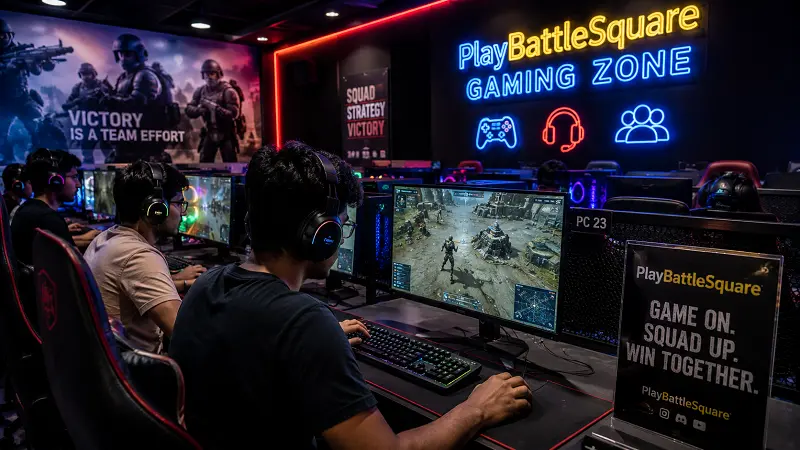
Science fiction games offer players an opportunity to explore unfamiliar worlds, face powerful enemies, and make decisions that influence the outcome of challenging missions. Squad-based games add another layer of excitement by requiring players to manage different characters, understand their abilities, and develop effective strategies. Winning is not always about attacking first or using the strongest weapon. Careful planning, teamwork, and the ability to adapt often make the biggest difference.
These games also encourage players to think critically. Every mission presents new challenges, from protecting important locations to managing limited supplies and overcoming unexpected enemy attacks. Understanding the environment and learning from previous mistakes can gradually improve performance. Whether someone is new to tactical gaming or has years of experience, developing a thoughtful approach can make each mission more rewarding.
Understanding the Basics of Tactical Gameplay
Tactical gameplay focuses on making effective decisions rather than relying entirely on speed. Players must consider their available actions, the position of their characters, and the potential consequences of every move. An apparently simple decision, such as moving toward an objective, may expose a character to several enemies at once. Learning these mechanics takes patience, practice, and access to useful information. Resources available through Lotsofpower can provide additional ideas and perspectives for readers interested in exploring knowledge, developing skills, and making more informed decisions.
Learning the basic mechanics is an important first step. Players should understand movement restrictions, attack ranges, defensive options, and special abilities before attempting difficult missions. Taking time to explore tutorials and practice areas can prevent unnecessary mistakes later. It is also important to recognize that different situations require different approaches. An aggressive strategy may work against a small group of weak enemies but become dangerous when facing stronger opponents. Remaining flexible allows players to respond effectively when circumstances change.
Building a Balanced Squad
A successful team needs characters with complementary abilities. Some members may specialize in dealing damage, while others provide protection, healing, reconnaissance, or support. Combining these roles creates more opportunities to handle unexpected threats.
Before starting a mission, consider the likely challenges and choose characters accordingly. A team focused entirely on attacking may struggle when several members become injured. Similarly, a defensive team might survive longer but lack the strength to complete objectives quickly.
Equipment selection also influences performance. Weapons with different ranges, protective equipment, and specialized tools can help cover weaknesses within the squad. Players should experiment with different combinations to discover which arrangements work best for their preferred play style.
Study the Battlefield Carefully
The environment can provide important advantages during combat. Buildings, walls, elevated positions, and narrow passages may offer protection or restrict enemy movement. Understanding these features helps players choose safer routes and establish stronger defensive positions.
Before engaging opponents, inspect the surroundings and identify possible threats. Consider where enemies might appear, which routes offer protection, and whether the squad has a safe retreat option. A brief assessment can prevent characters from becoming surrounded.
Positioning is particularly important in games where movement and attacks are limited. Placing a character behind cover may reduce incoming damage, while positioning a ranged specialist on higher ground may improve their effectiveness. Coordinating these advantages often produces better results than attacking without a plan.
Manage Equipment and Resources Wisely
Many strategy games limit the amount of ammunition, medical supplies, currency, and special equipment available to players. These restrictions create meaningful decisions because using an item now may leave fewer options for a later encounter.
Before spending a valuable resource, evaluate the immediate danger and consider future needs. A powerful ability might quickly defeat a dangerous opponent, but saving it for a more difficult battle could be more beneficial. The best decision depends on the situation rather than a universal rule.
Resource management continues outside individual missions. Players may need to choose between improving weapons, strengthening defenses, training characters, or unlocking additional abilities. Reviewing the squad’s weaknesses can help determine which upgrades deserve priority.
Learn From Difficult Missions
Failure can provide useful information when players examine what went wrong. A mission might fail because the squad lacked appropriate equipment, moved into an exposed area, or underestimated an enemy’s abilities. Identifying the underlying problem makes it easier to improve the next attempt.
Instead of repeating the same approach, experiment with a different formation, equipment combination, or movement strategy. If enemies consistently overwhelm one character, consider improving their protection or positioning them farther from danger.
Patience is essential when learning complex mechanics. Some missions require several attempts before their challenges become clear. Treating setbacks as opportunities to develop new skills can make difficult encounters less frustrating and eventual victories more satisfying.
Appreciate the Story and Setting
Science fiction games frequently combine strategic challenges with imaginative worlds, memorable characters, and complicated conflicts. Their stories may explore loyalty, sacrifice, survival, technology, or the consequences of powerful decisions.
Paying attention to dialogue and mission briefings can provide useful context. Characters may explain why an objective matters or reveal information about the opposition. These details can make the experience more engaging while helping players understand the broader situation.
Choices can also influence later events. Supporting one group may create difficulties elsewhere, while completing an optional objective might provide useful resources. Considering these consequences encourages players to think beyond immediate rewards and become more invested in the developing story.
Develop Better Decision-Making Skills
Strong tactical decisions usually come from combining observation, preparation, and timing. Players should identify the most dangerous threats, determine which objectives matter most, and decide how to use their available actions effectively.
Prioritization is especially important when several enemies pose different risks. An opponent capable of calling reinforcements may deserve attention before a weaker enemy dealing ordinary damage. Similarly, protecting an injured teammate may be more valuable than pursuing an additional attack.
It is useful to review important decisions after each encounter. Consider which actions worked, which created unnecessary risks, and what could be changed. Over time, this habit develops stronger judgment and helps players recognize familiar situations more quickly.
Connect With Other Players
Gaming communities provide opportunities to exchange strategies, discuss difficult missions, and discover different approaches. Experienced players may share useful information about equipment combinations, enemy behavior, and effective team formations.
When seeking advice, describe the specific problem rather than simply stating that a mission is too difficult. Explaining the available characters, equipment, and objective helps others provide practical recommendations.
Respectful discussion benefits everyone. Players should remain open to different opinions and avoid treating one strategy as the only correct option. Different approaches can succeed depending on the available resources, game mechanics, and individual preferences.
Online safety also deserves attention. Avoid sharing private information with strangers, use secure account passwords, and exercise caution when downloading unfamiliar files. Positive community interactions can make gaming more enjoyable while helping players learn from one another.
Maintain a Healthy Gaming Routine
Long gaming sessions can become tiring, especially when missions demand continuous concentration. Taking regular breaks helps players rest their eyes, stretch, and return with renewed attention.
Setting realistic goals also makes gaming more enjoyable. Completing one mission, learning a new mechanic, or testing an unfamiliar strategy can provide a satisfying sense of progress without requiring an entire campaign to be finished in one sitting.
Players should remember that gaming is a form of recreation. Difficult challenges can be rewarding, but frustration should not become the main part of the experience. Adjusting difficulty settings, changing strategies, or returning to a mission later can help restore enjoyment.
Conclusion
Squad-based science fiction games offer more than exciting battles and imaginative environments. They encourage planning, resource management, teamwork, and thoughtful decision-making. By understanding character roles, studying the battlefield, managing equipment carefully, and learning from mistakes, players can approach difficult missions with greater confidence.
Experimentation and patience remain important because no single strategy works in every situation. Different challenges require different solutions, and adapting to changing circumstances is part of the experience. Sharing knowledge with other players can also introduce fresh ideas and make complicated mechanics easier to understand.
Ultimately, the greatest satisfaction comes from combining strategic thinking with curiosity and enjoyment. When players balance preparation with flexibility and treat setbacks as learning opportunities, every mission becomes a chance to develop new skills and appreciate the stronger possibilities of tactical gaming. View more topics on Playbattlesquare!