
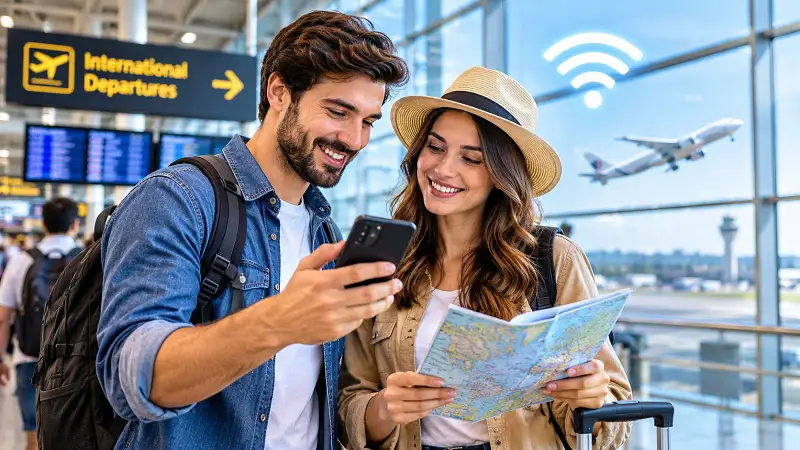
Travel has always offered people a chance to discover unfamiliar places, meet different communities, and understand new ways of life. In the past, visitors often depended on printed maps, guidebooks, and directions from local residents. Today, digital technology has changed how journeys are planned and experienced. A smartphone can provide directions, translation, transport updates, weather information, and ways to contact others. For travelers, a dependable connection can make unfamiliar surroundings easier to understand and travel decisions more manageable.
Technology Has Changed the Travel Experience
Digital tools support many stages of a journey. They help people compare transport, estimate costs, and find free attractions. Check official sources before paying because prices can change. Before leaving home, people can compare destinations, check transport schedules, read visitor information, and arrange accommodation. During a trip, they can confirm bookings, locate nearby services, and adjust plans when circumstances change. These options save time and help travelers make informed choices. A little research helps visitors recognize misleading offers, avoid unnecessary fees, and choose activities that suit their interests. They can compare options against available time and personal budget carefully.
When a flight is delayed, or an attraction closes, online updates can help visitors find alternatives. Because digital services depend on network access, preparing for connectivity is an important part of travel planning.
Staying Connected in Different Locations
Internet access can vary greatly from one destination to another. Some public networks require registration or have time limits. Know how to access essential information without relying on free internet. Large cities often have broad mobile coverage and many public wireless networks. Remote villages, mountain roads, islands, and countryside locations may have weaker signals or limited service. Travelers should consider these differences before depending entirely on online tools.
Checking coverage maps and asking accommodation providers about internet service can prevent surprises. People who work while travelling should ask whether the connection supports video calls and file transfers.
A local SIM card, roaming plan, or travel data package may provide access. Compare prices, coverage, activation rules, and data limits before choosing an option.
Why Communication Matters During a Journey
Communication helps travelers manage practical tasks and stay in touch with people at home. It helps groups coordinate separate plans. Agree on a meeting point and backup contact method in case devices lose power or signals disappear. They may need to confirm a hotel booking, contact a transport company, ask a business about opening hours, or tell family members that they have arrived safely. Access to calls, messages, and email can make these activities easier.
Before travelling, check communication charges and roaming settings. Save important numbers with international dialing codes. Travelers can also check official websites to find contact details when they need to reach an organization.
Digital Maps Make Navigation Easier
Finding a route in an unfamiliar city can be difficult, particularly when street names are unfamiliar or signs use another language. Digital maps can show directions, estimated journey times, nearby services, and alternative routes. They also help visitors understand the layout of an area before setting out.
Offline maps are valuable when mobile coverage is unreliable. Downloading language packs also helps when network access is intermittent. Travelers can download maps while connected and use them later without continuous internet access. It is sensible to save the accommodation address and directions separately as well. A written note can be useful if a phone battery runs out or a device stops working.
Maps are helpful guides, not perfect authorities. Road closures and restrictions may not appear immediately, so check local signs and ask residents when necessary.
Discovering the Stories Behind Places
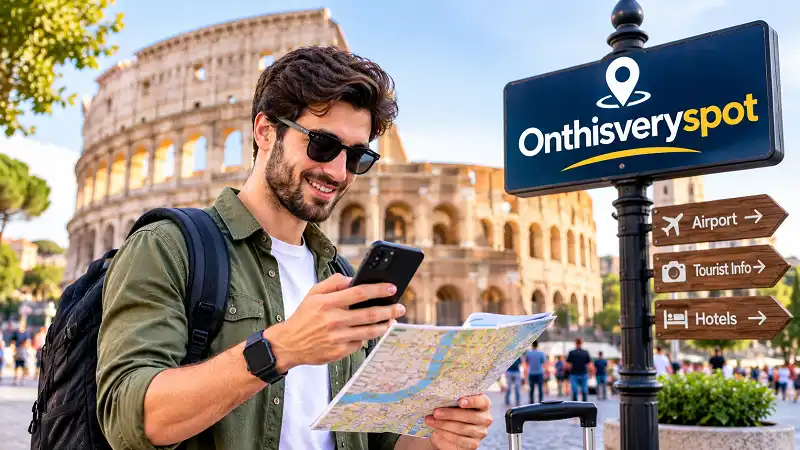
A destination becomes more meaningful when visitors understand its history and culture. Historic buildings, public squares, monuments, and ordinary streets may be connected to important events or people. Digital articles, museum resources, recorded tours, and local archives can explain these connections and add context to a visit.
An old railway station, for example, may reveal how transport shaped a town. A historic district can offer clues about architecture, trade, and community traditions. Online resources and museum displays add context before and during a visit.
Travelers can also use digital resources to discover historic places that match their interests. Museum and community pages can reveal lesser-known attractions. Check access rules and opening times before visiting. Some may prefer architecture, while others enjoy local art, natural landmarks, or stories about everyday life. Reading more than one source is useful because historical accounts may differ in detail or interpretation.
Learning About Local Culture
Travel provides opportunities to learn about languages, customs, food, art, and daily routines. Translation applications can help visitors understand signs or communicate basic needs. Audio guides and cultural websites may explain traditions that are unfamiliar to newcomers.
Use digital information thoughtfully. Translations may miss cultural meanings, and general articles cannot represent everyone. Polite questions, careful listening, and respect for local customs remain essential.
Choosing the Right Data Service
Different journeys require different amounts of data. Someone taking a short city break may only need maps, messages, and occasional searches. A remote worker may depend on video meetings, cloud documents, and frequent file transfers. Families travelling together may connect several devices at once.
Coverage matters as much as price. Review data limits, speed restrictions, hotspot rules, customer support, and phone compatibility before choosing a package.
Protecting Personal Information Online
Public wireless internet is convenient in hotels, airports, cafés, and transport hubs. However, users should be cautious when joining unfamiliar networks. A network name that looks official is not necessarily genuine, and poorly secured connections can create privacy risks.
Avoid suspicious websites, keep software updated, use strong passwords, and enable extra account protection. Turn off automatic connections to unknown networks.
When handling banking information, work accounts, or private documents, a trusted mobile connection may be preferable to an open public network. These basic habits help travelers use digital services with greater confidence.
Preparing Devices Before Departure
Before departure, update essential applications, download maps, check roaming settings, and confirm that chargers and adapters will work. A power bank can keep devices available throughout the day.
Important information should not exist only on one device. Save accommodation details, booking references, emergency contacts, and travel documents in a secure place that can be accessed offline. Keep copies of essential documents where appropriate, and protect them from unauthorized access. If a phone is lost or damaged, a backup can make it easier to recover important details.
Finding a Healthy Balance With Technology
Digital tools can make travel simpler, but constant screen use may distract people from the places they came to experience. Checking directions or opening a translation tool is practical. Spending an entire visit looking at a display can reduce opportunities to notice local life, enjoy a view, or speak with residents.
Use technology to plan and solve practical problems, then put devices away when they are no longer needed. Photographs are enjoyable, but experiencing a place without a camera can make memories more personal.
Responsible and Considerate Travel
Respect visitor rules and private spaces, and ask permission before photographing people. Keep online reviews honest because inaccurate information can affect local businesses and future visitors.
Technology may support more efficient journeys by helping people compare transport options and plan routes. Still, responsible travel depends on personal decisions. Visitors can reduce waste, respect cultural sites, and support local services while using digital tools where they genuinely help.
What the Future May Bring
Travel technology will keep developing as mobile networks improve and online services become more capable. Faster connections may support better translation, interactive guides, live transport information, and more accessible visitor resources. Satellite communication may also extend connectivity in some remote areas, although coverage, cost, and availability will differ.
Technology may improve convenience, but it cannot replace curiosity, local knowledge, or human connection.
Conclusion
Reliable connectivity helps travelers plan journeys, find directions, communicate, and learn about unfamiliar destinations. It can reduce uncertainty when plans change and make important information easier to access. The greatest benefits come when people prepare their devices, select suitable data services, and protect personal information.
Travelers should also remember that a journey is about more than staying online. By using technology thoughtfully and remaining open to local people, history, and everyday experiences, visitors can explore with greater confidence while giving their attention to what makes each destination special. Explore more with PlayBattleSquare!