
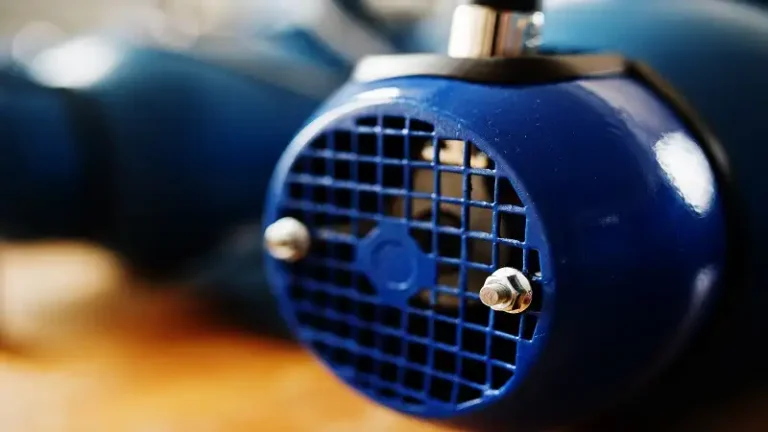
A mud motor kit is a practical solution for people who need reliable boat propulsion in shallow waters, swamps, and muddy environments. Traditional boat motors often struggle in areas filled with weeds, debris, or low water levels. This is where a specialized setup becomes useful. A mud motor kit allows users to convert a standard small engine into a powerful long tail motor that can handle tough conditions with ease. Whether you are a fisherman, hunter, or outdoor enthusiast, understanding how this system works can help you make better decisions for your boating needs.
What Is a Mud Motor Kit
A mud motor kit is a collection of parts designed to transform a regular gasoline engine into a long tail motor system. This setup includes components like a driveshaft, mounting brackets, propeller, throttle control, and handle assembly. When combined with a compatible engine, the kit creates a motor that can operate efficiently in shallow water without getting stuck or damaged.
Unlike traditional outboard motors, this design places the propeller far behind the boat, attached to a long shaft. This allows the operator to control the depth and angle of the propeller manually. As a result, the motor can glide over mud, grass, and debris without losing performance.
How a Mud Motor Works
The working principle is simple yet effective. The engine provides power, which is transferred through a long shaft to a propeller located at the rear. Because the shaft is extended, the propeller can stay submerged even when the boat is in very shallow water. The operator uses a handle to steer and adjust the position of the shaft.
This design offers several advantages. First, it reduces the risk of clogging since the propeller can be lifted over obstacles. Second, it allows better control in difficult environments. Third, it minimizes damage because there are fewer delicate parts exposed to harsh conditions.
Key Components of a Mud Motor Kit
A mud motor kit includes several essential parts that work together to create a functional system. Understanding these components helps users assemble and maintain the motor effectively.
Engine Mount
The engine mount holds the motor securely in place on the boat. It must be strong and stable to handle vibrations and movement during operation.
Driveshaft
The driveshaft is a long metal rod that transfers power from the engine to the propeller. Its length allows the propeller to reach deeper water even when the boat is in shallow areas.
Propeller
The propeller is specially designed to handle mud and debris. It is usually more durable than standard propellers and can operate efficiently in rough conditions.
Handle and Steering System
The handle allows the operator to control direction and adjust the angle of the shaft. This manual control is what makes the system so versatile.
Throttle Control
The throttle controls the engine speed. It is usually mounted on the handle for easy access during operation.
Benefits of Using a Mud Motor
There are many reasons why people prefer this type of motor over traditional options. These benefits make it a popular choice for specific environments.
Suitable for Shallow Water
One of the biggest advantages is the ability to operate in very shallow water. This makes it ideal for swamps, marshes, and rivers with low depth.
Easy Maintenance
The design is simple, which means fewer parts can break. Maintenance is also easier compared to complex outboard motors.
Cost Effective Solution
Building or buying a mud motor kit is often more affordable than purchasing a specialized outboard motor. It allows users to reuse existing engines.
Strong Performance in Tough Conditions
The system performs well in muddy and grassy environments where other motors may fail. It provides consistent power without frequent interruptions.
How to Choose the Right Kit
Selecting the right setup depends on several factors. Making the correct choice ensures better performance and longer lifespan.
Engine Compatibility
Not all engines work with every kit. It is important to choose a kit that matches the size and power of your engine.
Boat Size
The size and weight of your boat will determine the type of kit you need. Larger boats require more powerful setups.
Water Conditions
Consider where you will use the motor most often. If you frequently navigate thick mud or vegetation, choose a heavy duty design.
Material Quality
High quality materials last longer and perform better. Look for durable metal parts that can withstand harsh environments.
Installation Process
Installing a mud motor kit is not very complicated, but it does require careful attention. Following the correct steps ensures safe and efficient operation.
First, mount the engine securely onto the frame. Make sure all bolts are tightened properly. Next, attach the driveshaft and align it with the engine output. Then, install the propeller at the end of the shaft. After that, connect the throttle and handle system. Finally, test the setup to ensure everything works smoothly.
It is always recommended to follow the instructions provided with the kit. Proper installation reduces the risk of damage and improves performance.
Safety Tips
Safety is an important aspect of using any motorized equipment. Keeping these tips in mind can help prevent accidents.
Always wear a life jacket when operating a boat. Make sure the motor is securely attached before starting it. Keep hands and clothing away from the moving parts. Avoid operating at high speeds in unfamiliar areas. Regularly inspect the motor for any signs of damage or wear.
By following these guidelines, you can enjoy a safe and smooth experience.
Maintenance and Care
Regular maintenance keeps your motor in good condition and extends its lifespan. Simple steps can make a big difference over time.
Clean the motor after each use, especially if you operate in muddy water. Check the propeller for damage and remove any debris. Lubricate moving parts to reduce friction. Inspect the shaft and mounting system regularly. Replace worn out parts when necessary.
Proper care ensures that your motor continues to perform efficiently in all conditions.
Common Uses
This type of motor is widely used in various activities. Its versatility makes it suitable for different purposes.
Fishermen use it to access shallow fishing spots that are difficult to reach with regular motors. Hunters rely on it to navigate wetlands and marshes. Farmers and landowners use it for transportation across flooded fields. Outdoor enthusiasts enjoy exploring remote waterways with ease.
The ability to operate in challenging environments makes it a valuable tool for many users.
Limitations to Consider
While this system has many advantages, it also has some limitations. Understanding these helps set realistic expectations.
It may not be as fast as traditional outboard motors. Steering requires manual effort, which can be tiring during long trips. It may produce more noise compared to modern engines. Additionally, it is not ideal for deep water or high speed travel.
Despite these limitations, it remains a reliable option for specific conditions.
Environmental Impact
Using a motor in natural environments requires responsibility. It is important to minimize the impact on ecosystems.
Avoid disturbing wildlife and vegetation. Use fuel efficiently to reduce emissions. Dispose of waste properly and avoid spilling oil or fuel into the water. Respect local regulations and guidelines.
By following these practices, users can protect the environment while enjoying their activities.
Conclusion
A mud motor kit is a practical and efficient solution for navigating shallow and muddy waters. Its simple design, durability, and versatility make it a popular choice among outdoor enthusiasts. By understanding its components, benefits, and proper usage, you can make the most out of this system. Whether for fishing, hunting, or exploration, this setup provides reliable performance in conditions where traditional motors often fail. See more!